

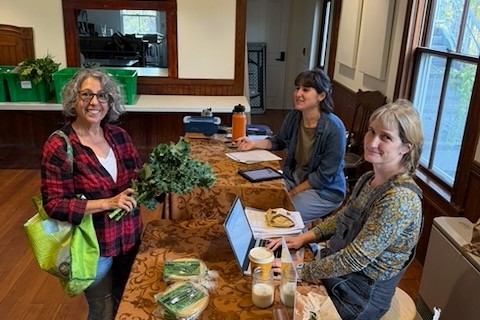
The Guilford food hub: Growing community resilience one lemon bar at a time
How a small Vermont town built a thriving local food system that keeps $50,000 annually in the community while creating social connection.
October 16, 2026

Walkability is not just about walking
Walkable cities are places that do best what cities are meant to do: contain and display human life with all of its variety, tension, diversity, struggle and beauty.
October 15, 2026

Why we need to think outside the box this election
Defending the upcoming election from authoritarian capture will require massive turnout, and we all have roles to play.
October 14, 2026
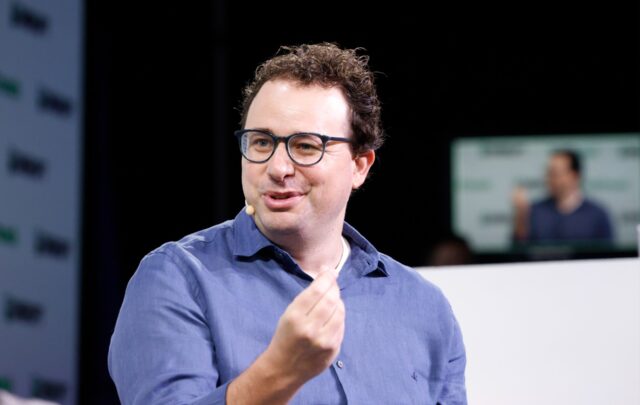
AI and Ecocivilization: The threats of AI to human flourishing are multiple and profound
The danger AI poses can be understood as an extrapolation of the disruptions we’re already experiencing from Big Tech’s stranglehold over our lives.
October 14, 2026
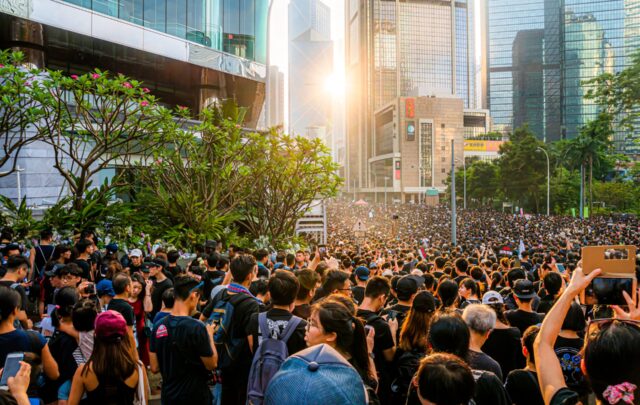
How do we act when we don’t know if we’ll win? – Interview with writer Paul Loeb
Alexandria Shaner spoke with Paul Loeb about hope, organizing, and building power in dark times.
October 12, 2026

Why artificial intelligence must be stopped now
Humanity is outsourcing its executive control of nearly every key sector—finance, warfare, medicine, agriculture—to algorithms with no moral capacity. If you are wondering what could go wrong, the answer is plenty.
October 12, 2026
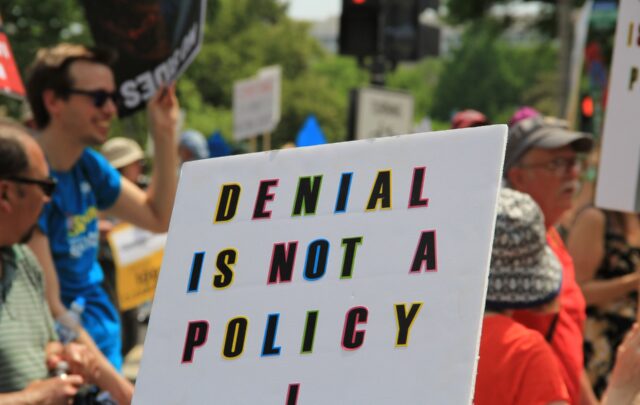
‘Urban Greenlash’: Why is climate action facing opposition across cities?
In areas around the world, growing opposition to climate action signals a new disruptive wave that researchers call an “urban greenlash,” a backlash against climate plans and policies in cities.
October 9, 2026
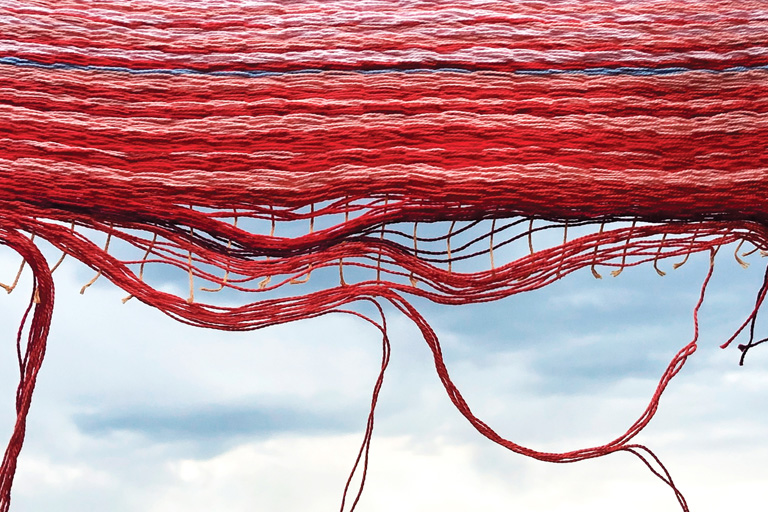
The Great Unraveling
Environmental and social challenges are compounding to threaten the systems that support the world we know. What does this Great Unraveling mean for human civilization and the global ecosystem?

